
Running a vineyard is part science, part art, and part pure instinct. But today, instinct has a powerful new partner: software. Modern vineyard management platforms collect weather data, analyze soil health, and track yield performance in ways that were impossible just a decade ago. The result? Smarter decisions. Healthier vines. Better wine.
TLDR: Vineyard management software helps growers track weather, soil conditions, and grape yields in real time. Platforms like VineView, AgCode, Vintrace, and Talgil combine data and analytics to improve decisions and boost efficiency. These tools reduce guesswork and help vineyards react quickly to changing conditions. Choosing the right one depends on your vineyard size, budget, and tech comfort level.
Let’s look at four powerful platforms that are changing how vineyards grow and thrive.
1. VineView
Best for: Large vineyards that want deep aerial insights and predictive analytics.
VineView focuses heavily on high-resolution aerial imagery and data analytics. Think of it as giving your vineyard a bird’s-eye brain.
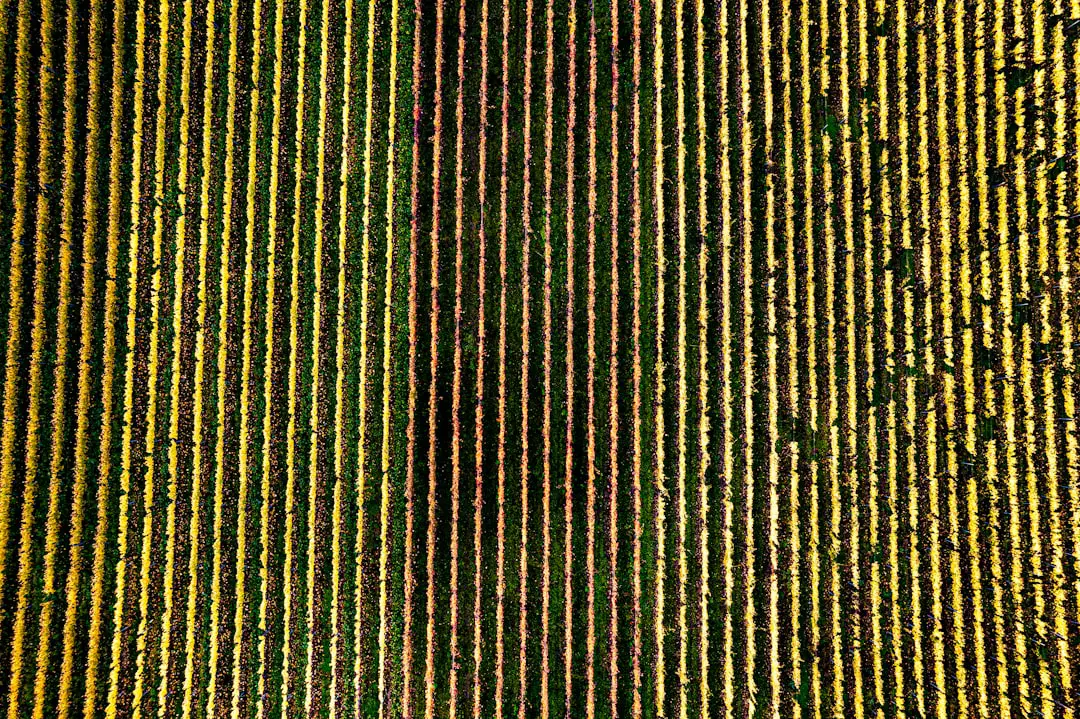
Using plane or drone imagery, VineView tracks:
- Canopy growth
- Water stress levels
- Disease risk zones
- Vine variability
It blends this imagery with weather data and soil information. That combination helps growers spot issues early. A weak block of vines becomes obvious. Irrigation problems stand out fast.
What makes VineView special?
- Detailed NDVI imagery
- Block-level performance tracking
- Forecast-based harvest planning
The platform also helps with yield estimation. Instead of walking rows for days, growers can use image analytics to predict production more accurately.
This tool is powerful. But it may feel complex for small vineyard owners. It shines in operations covering hundreds of acres.
2. AgCode
Best for: Vineyards that want strong recordkeeping and integrated farm management.
AgCode is like a digital filing cabinet mixed with a field scientist. It organizes your vineyard data in one clear system.
It tracks:
- Spray records
- Fertilizer applications
- Worker activities
- Water usage
- Yield totals
But it does more than record data. It analyzes patterns across seasons. This helps vineyard managers understand what worked, and what didn’t.
Weather integration is built in. You can log rainfall, temperature swings, and frost events. Soil sample data can also be stored and compared year over year.
The yield tracking tools are especially practical. AgCode connects harvest loads directly to vineyard blocks. This reveals:
- Which areas overperform
- Which need soil amendments
- Where irrigation may need adjustment
Why growers like it:
- Clean, organized dashboards
- Compliance-friendly reporting
- Strong data history tracking
It may not have the flashy aerial visuals of VineView. But it wins on organization and clarity.
3. Vintrace
Best for: Vineyards that want to connect vineyard data with winery production.
Vintrace bridges the gap between the vine and the bottle. It connects vineyard operations with winemaking processes.
Image not found in postmetaThis platform tracks:
- Weather trends
- Vineyard activities
- Ripening progress
- Harvest logistics
- Fermentation batches
Imagine seeing how soil health in Block A influences fermentation quality months later. That is powerful insight.
Weather monitoring helps predict harvest windows. Heat spikes? Adjust picking schedule. Rain forecast? Move crews sooner.
Yield analytics link directly to winery intake numbers. No more guessing how much fruit is coming in.
Vintrace is more than just vineyard software. It supports the entire wine production chain.
Top features include:
- Real-time harvest tracking
- Traceability from vine to bottle
- Mobile accessibility for field teams
For estate wineries, this integration can dramatically reduce waste and confusion.
4. Talgil
Best for: Vineyards needing advanced irrigation and soil moisture control.
Talgil focuses strongly on precision irrigation. Water management is everything in vineyards. Too much water dilutes flavor. Too little stresses the vine.
Talgil uses:
- Soil moisture sensors
- Weather stations
- Real-time irrigation controllers
The system automates irrigation schedules based on live data. If soil moisture drops below target levels, irrigation can adjust automatically.
This protects both vine health and water resources.
Weather integration includes rainfall prediction and evapotranspiration tracking. That means watering decisions are based on science, not guesswork.
Standout benefits:
- Water savings
- Remote irrigation control
- Alerts for system failures
While Talgil focuses heavily on irrigation, it also connects yield data to watering strategies. Over time, this reveals how water timing affects grape quality.
Quick Comparison Chart
| Platform | Weather Analytics | Soil Monitoring | Yield Tracking | Best For |
|---|---|---|---|---|
| VineView | Advanced forecasting + imagery overlays | Visual stress detection | Predictive yield modeling | Large vineyards needing aerial insights |
| AgCode | Integrated weather logs | Soil test record storage | Block-level yield mapping | Organized farm management |
| Vintrace | Harvest timing forecasts | Field data integration | Links vineyard to winery output | Estate wineries |
| Talgil | Real-time weather station integration | Live soil moisture sensors | Yield linked to irrigation data | Precision irrigation control |
Why Weather, Soil, and Yield Analytics Matter
Let’s simplify it.
Weather affects vine growth every single day. Heat speeds ripening. Frost damages buds. Rain impacts disease risk.
Soil controls root strength and nutrient absorption. Poor soil equals weak vines. Balanced soil equals complex grapes.
Yield tells you how productive your land really is. But higher yield does not always mean better wine. The real magic is balance.
Software platforms bring these three elements together. Instead of reacting late, growers act early.
- See moisture stress before leaves wilt
- Adjust sprays before disease spreads
- Predict harvest dates with confidence
That saves money. It saves time. And it improves grape quality.
How to Choose the Right Platform
Not every vineyard needs advanced aircraft imaging. Not every grower needs full winery integration.
Ask yourself:
- How large is my vineyard?
- Do I struggle more with irrigation, organization, or harvest planning?
- Do I want simple dashboards or deep analytics?
- What is my budget?
Small vineyards may prefer simpler platforms with strong recordkeeping.
Mid-size operations might benefit from irrigation automation.
Large estates often gain the most from aerial imaging and predictive modeling.
Also consider ease of use. A powerful tool is useless if your team avoids it.
The Future of Vineyard Data
The future looks even smarter.
Artificial intelligence is improving yield forecasts. Machine learning models can predict disease outbreaks based on micro-climate data. Satellite imagery is becoming sharper and more affordable.
Soon, vineyard managers may receive alerts like:
- “Block 3 nitrogen levels trending low.”
- “Powdery mildew risk high in 5 days.”
- “Optimal harvest window begins next Tuesday.”
This is not science fiction. It is already starting.
Data does not replace traditional knowledge. It strengthens it.
Final Thoughts
Great wine begins in the vineyard. And great vineyards now run on data as much as dirt.
Platforms like VineView, AgCode, Vintrace, and Talgil help growers understand their land in ways that were once impossible. Weather analytics improve timing. Soil monitoring protects vine health. Yield tracking sharpens planning.
The best system is the one that fits your vineyard’s size and goals. Start small if needed. Scale up as you grow.
Because in the end, better data leads to better decisions. And better decisions lead to better grapes.
And better grapes? That’s where truly memorable wine begins.