
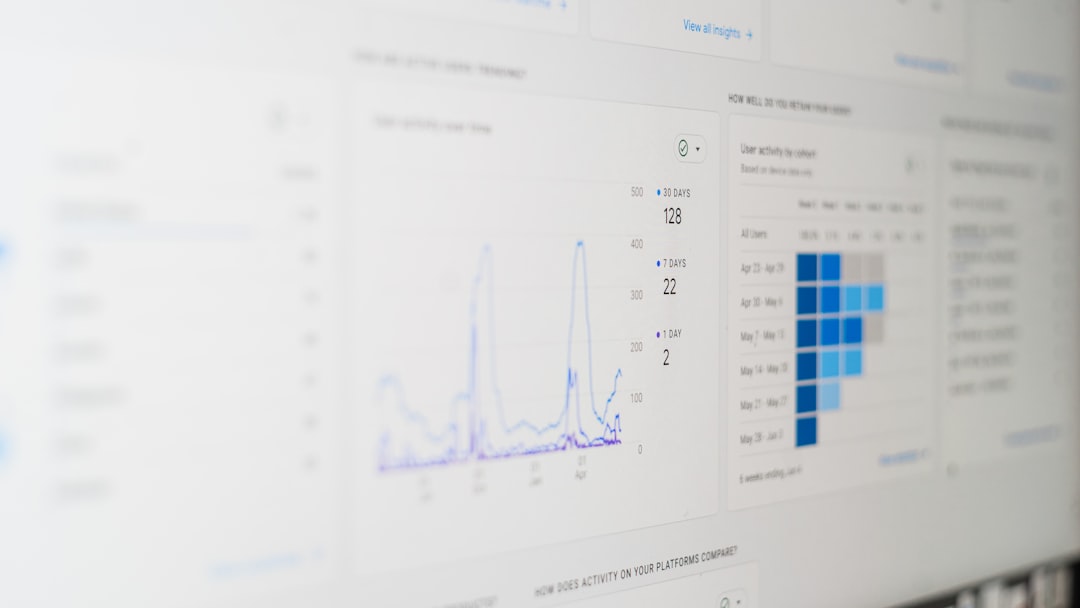
Modern users expect flawless digital experiences. Whether it’s an ecommerce checkout, a SaaS dashboard, or a mobile banking app, performance hiccups translate directly into lost revenue and damaged trust. That’s where synthetic monitoring platforms with continuous performance testing come in. These tools simulate user interactions around the clock, giving teams proactive insight into uptime, response times, and transaction reliability before real users feel the impact.
TLDR: Synthetic monitoring platforms simulate real user journeys to detect performance issues before customers notice them. Continuous performance testing ensures applications remain fast, available, and reliable across regions and devices. Platforms like Datadog, Dynatrace, New Relic, and Checkly provide powerful tools for proactive performance management. Choosing the right solution depends on your infrastructure, scalability needs, and observability strategy.
In this article, we’ll explore four leading synthetic monitoring platforms that combine continuous testing, advanced analytics, and actionable insights to help teams stay ahead of performance issues.
What Is Synthetic Monitoring with Continuous Performance Testing?
Synthetic monitoring uses scripted simulations to mimic real user behavior—logins, searches, cart checkouts, API requests—at regular intervals from various geographic locations. Continuous performance testing extends this concept by embedding these simulations into development and operational workflows.
- Proactive detection of downtime and latency spikes
- 24/7 transaction testing across regions
- Benchmarking performance before and after releases
- Integration with CI CD pipelines
- Historical trend analysis for capacity planning
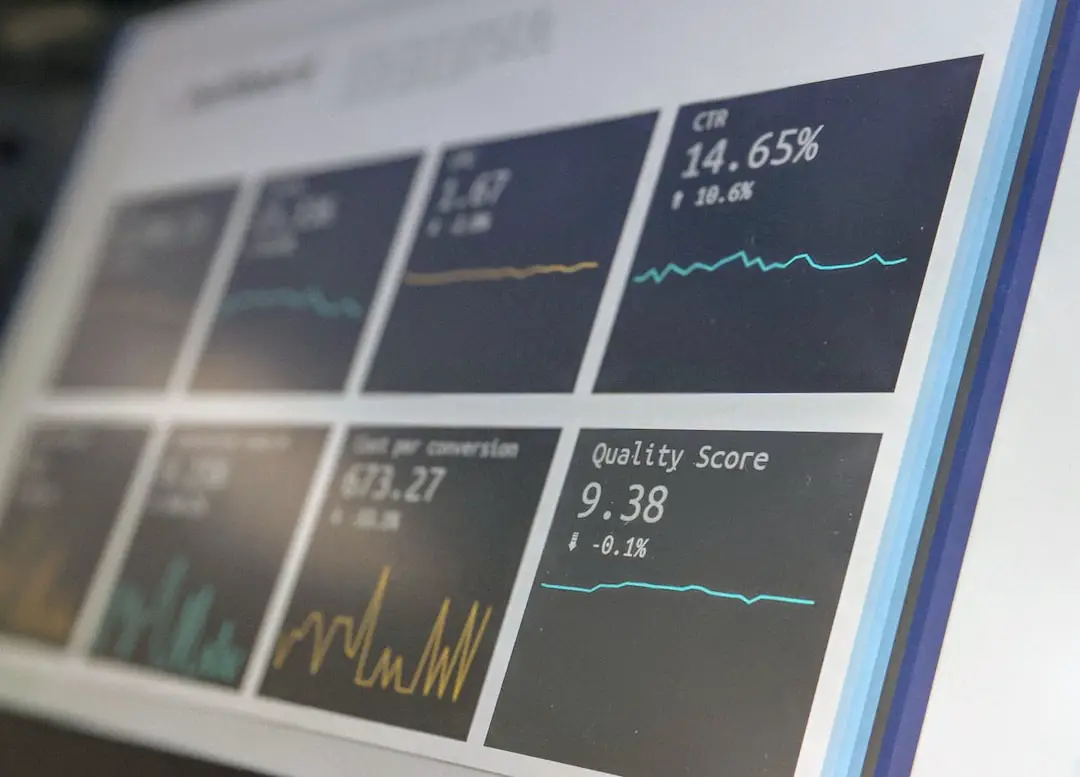
Unlike real user monitoring (RUM), which depends on actual traffic, synthetic monitoring works even when user activity is low—making it ideal for mission critical systems operating globally.
1. Datadog Synthetic Monitoring
Datadog is widely recognized for its robust observability ecosystem. Its synthetic monitoring capabilities integrate seamlessly with metrics, logs, and traces, providing a unified performance view.
Key Features
- Browser and API test simulations
- Global testing locations
- CI CD pipeline integration
- Detailed waterfall analysis
- AI powered alerting
Datadog allows teams to simulate complex multi step user journeys. You can schedule tests at frequent intervals or trigger them automatically after deployments. Combined with Datadog’s APM, synthetic failures can be traced directly to application level issues.
Best for: Organizations seeking full stack observability in one ecosystem.
Standout benefit: Deep integration between synthetic tests and infrastructure monitoring.
2. Dynatrace Synthetic Monitoring
Dynatrace stands out through its AI driven observability platform and automatic dependency mapping. Its synthetic monitoring solution is powered by the Davis AI engine, which identifies anomalies without manual threshold tuning.
Key Features
- HTTP, browser, and click path monitoring
- Private and public synthetic agents
- AI based root cause analysis
- Support for complex enterprise environments
- Performance benchmarking across versions
Dynatrace excels in large scale deployments where applications span hybrid and multi cloud infrastructures. Continuous testing can be implemented across staging and production, ensuring safe and reliable releases.
Image not found in postmetaBest for: Enterprises with complex environments and distributed architectures.
Standout benefit: Advanced AI driven problem detection and automated root cause analysis.
3. New Relic Synthetics
New Relic offers synthetic monitoring as part of its comprehensive observability platform. Known for its intuitive dashboards and developer friendly tools, New Relic makes performance testing accessible without sacrificing depth.
Key Features
- Scripted browser monitoring with Selenium
- API uptime checks
- Global monitoring locations
- Custom alert policies
- Integration with DevOps workflows
New Relic’s continuous testing capabilities shine in Agile and DevOps driven teams. Synthetic scripts can be embedded within release pipelines to ensure performance validation before production push.
Best for: Development teams that prioritize fast iteration cycles.
Standout benefit: Strong developer tooling and customizable scripting.
4. Checkly
Checkly is a modern synthetic monitoring platform designed with developers in mind. Unlike traditional enterprise focused tools, Checkly emphasizes code first monitoring and lightweight deployment.
Key Features
- JavaScript based scripting
- Playwright powered browser checks
- API monitoring with assertions
- GitHub and CI integration
- Flexible pricing model
Checkly enables teams to write synthetic tests as code and manage them in version control. This approach aligns perfectly with Infrastructure as Code and GitOps practices.

Best for: Startups and developer centric teams.
Standout benefit: Code native monitoring integrated directly into development workflows.
Comparison Chart
| Platform | Best For | AI Capabilities | CI CD Integration | Complex User Journeys |
|---|---|---|---|---|
| Datadog | Full stack observability | Yes | Strong | Yes |
| Dynatrace | Large enterprises | Advanced AI engine | Strong | Yes |
| New Relic | Agile Dev teams | Moderate | Strong | Yes |
| Checkly | Developer first teams | Minimal AI focus | Excellent | Yes |
How to Choose the Right Synthetic Monitoring Platform
Every organization’s needs differ, but here are core criteria to consider:
- Scalability: Can the platform handle growing traffic and services?
- Geographic coverage: Are testing locations aligned with your user base?
- Integration depth: Does it connect with your CI CD and observability tools?
- Ease of use: Can teams deploy and maintain scripts efficiently?
- AI and automation: Are anomalies automatically detected?
For enterprises managing thousands of services, AI driven automation can dramatically reduce alert fatigue. Conversely, developer centric startups may prefer script based flexibility and lightweight configuration.
The Business Impact of Continuous Performance Testing
Downtime is expensive. Studies consistently show that even seconds of delay can reduce conversions and harm customer satisfaction. Synthetic monitoring supports business continuity by:
- Reducing mean time to detection
- Improving mean time to resolution
- Enhancing release confidence
- Protecting brand reputation
Continuous performance testing also fosters a culture of accountability between development and operations teams. Instead of reacting to customer complaints, organizations shift toward predictive reliability strategies.
Final Thoughts
In today’s competitive digital landscape, performance isn’t optional—it’s expected. Synthetic monitoring platforms with continuous performance testing empower teams to stay ahead of outages, lag spikes, and broken user journeys.
Whether you choose Datadog for its all in one observability, Dynatrace for AI powered intelligence, New Relic for Agile friendly integration, or Checkly for its developer first flexibility, the key is proactive oversight.
The sooner you identify performance bottlenecks, the faster you can fix them—often before your users ever notice.
Ultimately, adopting continuous synthetic monitoring is less about tools and more about mindset. When performance becomes a measurable, continuously validated metric, reliability transforms from a gamble into a guarantee.