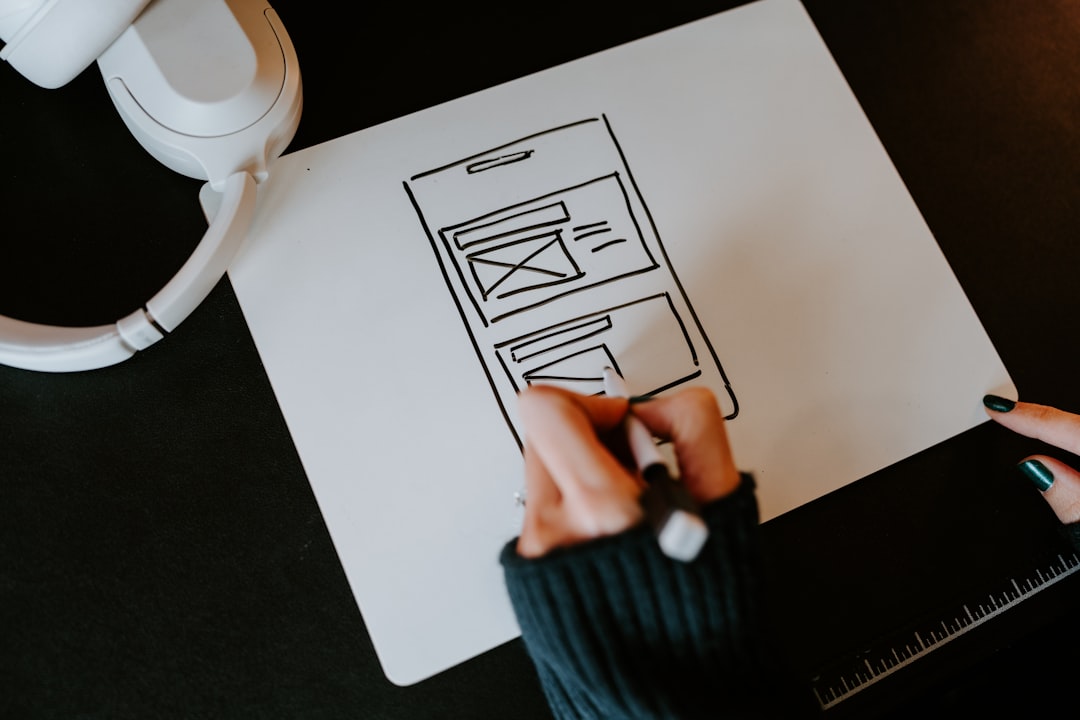
A memorable logo gives a brand instant recognition, emotional resonance, and a visual anchor that customers can remember. For startups, creators, small businesses, and growing ecommerce companies, online logo makers make that process faster, more affordable, and more accessible than traditional design routes.
TLDR: Online logo makers help brands create polished visual identities without needing advanced design skills. The best platforms combine templates, AI guidance, typography tools, color palettes, and export options for web, print, and social media. Each tool has different strengths, so the right choice depends on whether a brand needs speed, customization, affordability, or a full branding kit.
Why Online Logo Makers Matter for Brand Identity
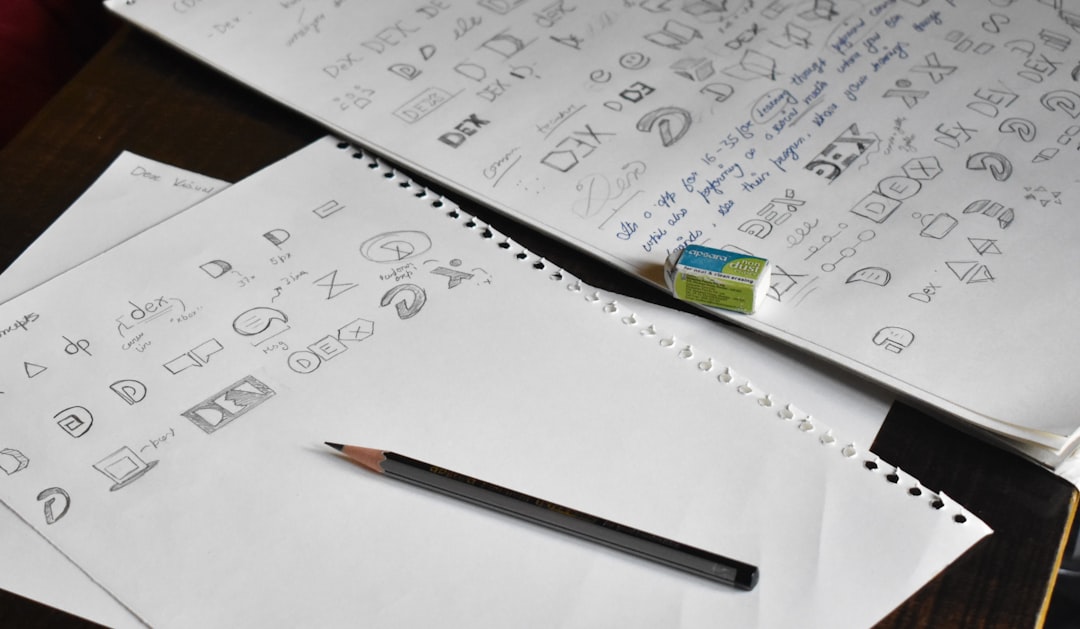
A logo is more than a decorative symbol. It communicates personality, quality, audience fit, and market position. A playful bakery, a premium consulting firm, and a gaming channel all need completely different visual signals. Online logo makers help translate those signals into usable graphics through guided workflows, preset styles, icons, fonts, and layout suggestions.
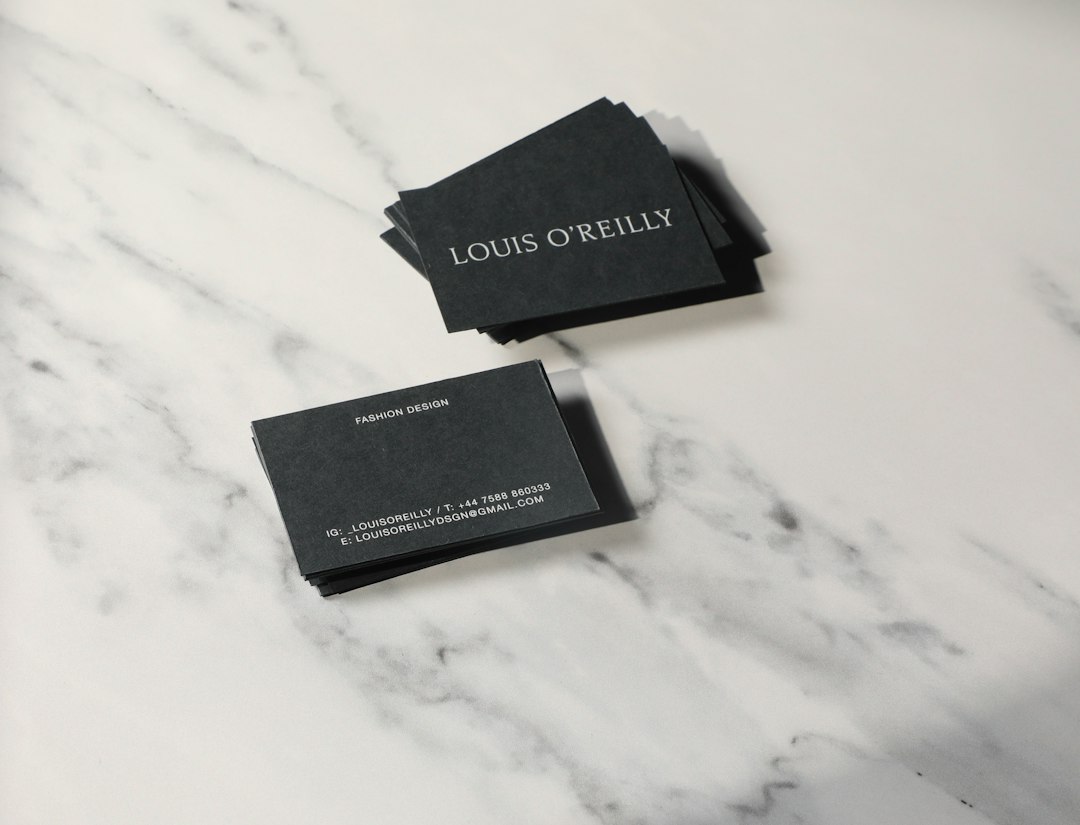
While a professional designer can provide deep strategy and custom artistry, logo makers are especially useful for early-stage ideas, side projects, test brands, and businesses that need a clean identity quickly. Many platforms also create social media images, business cards, website headers, invoices, and presentation assets, helping a brand look consistent across channels.
18 Creative Online Logo Makers to Consider
-
1. Canva
Canva is one of the most accessible logo makers for non-designers. It offers thousands of templates, drag-and-drop editing, icons, illustrations, and font combinations. Its biggest advantage is the ability to extend the logo style into social posts, flyers, pitch decks, and brand kits. Canva works well for creators, local businesses, and teams that need a practical all-in-one design workspace.
-
2. Looka
Looka uses AI to generate logo concepts after collecting brand preferences such as industry, colors, symbols, and style. It is especially useful for entrepreneurs who want many variations before choosing a final direction. Looka also provides brand kits, social templates, and business card designs, making it suitable for companies that want more than a standalone logo.
-
3. Wix Logo Maker
Wix Logo Maker is a strong choice for businesses that also need a website. It asks guided questions about brand personality and then produces editable logo options. The platform pairs naturally with Wix websites, allowing businesses to keep their identity consistent across online pages, favicons, and marketing materials.
-
4. Tailor Brands
Tailor Brands focuses on automated branding for small businesses. Its logo maker generates designs based on style preferences and business type, then supports brand assets such as business cards, domains, and social media tools. It is a useful option for business owners who want a streamlined branding setup rather than just a downloadable image.
-
5. Adobe Express Logo Maker
Adobe Express offers a simple but polished logo creation experience backed by Adobe’s design ecosystem. It provides templates, icons, colors, and typography tools suitable for quick logo development. Its strength lies in clean design output and easy integration with other creative assets, making it appealing for marketers, content creators, and small teams.
-
6. Placeit
Placeit, by Envato, is valuable for brands that want to see logos in real-world contexts. In addition to logo templates, it offers mockups for apparel, packaging, signage, and digital products. This makes it particularly useful for merchandise brands, gaming channels, apparel shops, and creators who want to preview how a logo will appear on products.
-
7. VistaCreate
VistaCreate provides logo templates alongside broader visual content tools. It is easy to use and includes templates for social media, print designs, ads, and promotional graphics. Brands that need frequent visual content may appreciate having logo design and campaign design tools in one place.
-
8. Namecheap Logo Maker
Namecheap Logo Maker is a free, beginner-friendly tool that generates logo concepts through a simple preference-based process. It is a good fit for startups, blogs, and experiments where budget is limited. Since Namecheap also offers domains and hosting, it works well for brands preparing to launch a basic online presence.
-
9. FreeLogoDesign
FreeLogoDesign gives users a large template library and straightforward customization tools. It is designed for speed, making it practical for small businesses that need a usable logo quickly. Users can adjust icons, fonts, colors, and layouts without much technical knowledge.
-
10. LogoMakr
LogoMakr offers a flexible editing canvas with icon search, text tools, and shape controls. It is more hands-on than some AI-driven platforms, which can appeal to users who prefer direct control. It works best for simple, clean logos where the brand owner has a clear design idea.
-
11. Ucraft Logo Maker
Ucraft Logo Maker provides a minimalist interface for creating simple logos using icons, text, and shapes. It is suited to lean brands that favor clean, modern identity systems. The tool is easy to learn and useful for quick prototypes, website logos, and early-stage brand concepts.
-
12. Turbologo
Turbologo generates logo concepts based on company name, industry, colors, and preferred symbols. It produces a wide range of variations and offers brand assets such as letterheads, business cards, and social media files. Its broad output makes it helpful for users who want many visual directions before refining a final version.
-
13. LogoAI
LogoAI emphasizes AI-generated branding and clean logo systems. It creates logos, matching stationery, social media assets, and brand identity materials. The platform is useful for founders who want a professional-looking identity package without manually designing every asset from scratch.
-
14. Logomaster.ai
Logomaster.ai guides users through a preference-based design flow and generates editable logo options. It focuses on simple, modern designs suitable for startups, consultants, ecommerce sellers, and digital services. The platform’s organized process makes it less intimidating for users with no design experience.
-
15. Zarla
Zarla offers free logo generation with customization options for color, icons, layout, and typography. It also provides previews for business cards, websites, and merchandise. This helps business owners judge whether a logo can work across multiple customer touchpoints before they commit to it.
-
16. Fiverr Logo Maker
Fiverr Logo Maker combines automated logo generation with designs influenced by freelance designers on the Fiverr marketplace. It is useful for brands that want quick logo options but may later want human design help. The tool can serve as a bridge between automated branding and custom freelance services.
-
17. Squarespace Logo Maker
Squarespace Logo Maker is a simple option for creating clean, typography-led logos. It works well for personal brands, portfolios, blogs, and small service businesses. Its minimal approach is best suited to brands that need a refined wordmark or simple icon rather than a complex illustration.
-
18. Kittl
Kittl is a creative design platform known for vintage, decorative, and expressive typography styles. Its logo capabilities are especially appealing for apparel brands, coffee shops, barbershops, breweries, creators, and merchandise designers. Kittl stands out when a brand wants a logo with strong visual personality rather than a generic corporate look.

How Brands Can Choose the Right Logo Maker
Not every logo maker serves the same purpose. A brand that needs a quick icon for a social profile may prefer a free, simple tool, while a company preparing for a full product launch may need vector files, brand guidelines, and matching marketing templates. Before choosing a platform, decision-makers should consider the following factors:
- Customization: The best tools allow meaningful changes to fonts, spacing, colors, icons, and layouts.
- Export quality: Professional brands should look for high-resolution files, transparent backgrounds, and ideally vector formats such as SVG.
- Brand consistency: Logo makers that include brand kits, social templates, and stationery can save time.
- Ease of use: A simple interface matters when the user has limited design experience.
- Commercial rights: Businesses should review licensing terms before using a logo publicly.
- Originality: Heavily used templates can look generic, so brands should customize enough to create distinction.
Tips for Building a More Memorable Logo
A logo maker can provide the structure, but good judgment still matters. Strong logos are usually simple, scalable, and recognizable at a glance. They also fit the desired audience. A luxury skincare logo may need elegant typography and muted colors, while a children’s learning app may benefit from round shapes, bright tones, and friendly characters.
Brands should avoid overcrowding the design with too many symbols, colors, or effects. A logo must work in small sizes, on mobile screens, in black and white, and on both light and dark backgrounds. It should also feel appropriate five years later, not just trendy today. When possible, a business should test several versions with real customers, colleagues, or target audience members before finalizing the design.
Common Logo Maker Mistakes to Avoid
- Choosing a logo only because it looks attractive: The design must also communicate the correct brand message.
- Using too many fonts: One or two typefaces are usually enough for a professional result.
- Ignoring scalability: A detailed logo may fail when reduced to a favicon or profile image.
- Copying competitors: Inspiration is useful, but imitation weakens brand recognition.
- Forgetting file needs: Brands should secure versions for print, web, transparent backgrounds, and social media.
Final Thoughts
Creative online logo makers have made brand identity development faster and more accessible than ever. They help businesses explore visual directions, test ideas, and create professional assets without starting from a blank canvas. From AI-powered platforms such as Looka, LogoAI, and Turbologo to versatile design tools such as Canva, Adobe Express, and Kittl, each option supports a different kind of brand-building journey.
The strongest results come when a brand treats a logo maker as a creative partner rather than a shortcut. With thoughtful customization, clear positioning, and consistent use across marketing channels, even a logo built online can become a memorable and trustworthy symbol.
FAQ
Are online logo makers good for professional businesses?
Yes. Many online logo makers can produce polished results, especially when the user customizes templates carefully and downloads high-quality files. However, larger companies with complex branding needs may still benefit from working with a professional designer or agency.
What file formats should a brand download?
A brand should ideally download PNG for web use, SVG or PDF for scalable vector use, and transparent-background versions for flexible placement on websites, products, and marketing materials.
Can a logo made online be trademarked?
It may be possible, but it depends on originality, licensing terms, and local trademark laws. Since many logo makers use shared templates or icons, a business should review usage rights and consult a trademark professional when legal protection is important.
Which logo maker is best for beginners?
Canva, Wix Logo Maker, Namecheap Logo Maker, and Adobe Express are especially beginner-friendly. They use guided workflows, templates, and simple editing tools that reduce the learning curve.
How can a brand make a template-based logo look unique?
A brand can improve uniqueness by changing the color palette, adjusting typography, modifying icon placement, simplifying the layout, and aligning the final design with a clear brand personality. The more thoughtful the customization, the less generic the logo will feel.